
Best Side Hustle Ideas USA : If you’re reading this in 2026, you already know the job market looks different than it did five years ago. More people—especially younger workers—are turning to side hustles not just for extra cash, but for skill-building, flexibility, and a safety net against uncertain paychecks. Side gigs now span from neighborhood services to high-skill remote work that can rival day-job pay.
This article walks you through the best side hustle ideas in the USA for 2026, with realistic expectations, platform suggestions, and the modern tweaks (like AI tools and creator monetization) that matter today. I’ll explain each idea clearly in 2–3 short paragraphs so you can quickly spot what fits your schedule, budget, and skills.
I’ll also weave in current facts and trends so you make decisions based on what’s actually working right now—not just a list of buzzwords. Where helpful, I’ll point to reputable reports and platform data so you can dig deeper.
Also Read : How to Create AI Images Using ChatGPT Step by Step for Beginners and Content Creators
Why side hustles are more relevant in 2026
Side hustles went mainstream as a financial strategy and career tactic. Economic uncertainty, wage stagnation in some sectors, and a cultural shift toward flexible work mean millions of Americans treat side income as a normal part of life. Recent reporting shows Gen Z in particular is embracing multiple income streams as both safety and self-expression.
Platforms and marketplaces continue to make it easier to monetize skills online, while low-cost tools and AI can dramatically reduce the time needed to deliver services. That’s a big reason why remote freelancing, digital products, and creator income remain top picks.
At the same time, local and in-person hustles—like reselling, delivery, pet care, and rentals—are thriving because people still value convenience and experiences. The smart side-hustler mixes online reach with a trustworthy local presence.
How to use this guide
Each idea below includes who it’s best for, startup cost and time commitment, realistic earnings today, and a short plan to get started. If you’re building toward a full-time income you’ll want to pick one or two and double down—many people treat the rest as occasional income. For hard facts about earnings and demand I reference industry reports and platform data where possible.
1) High-skill freelancing (web dev, design, data, UX)

High-skill freelancing remains one of the highest-return side hustles because companies will pay premium hourly rates for specialist work. If you have skills in web development, UX, data analysis, or other technical areas, you can command $40–$150+/hour depending on experience and niche.
Start by building a tight portfolio with 2–3 showcase projects and create profiles on marketplaces. Platforms make client discovery easier but winning high-paying gigs depends on case studies and client testimonials—so take a couple of lower-paying projects initially to build momentum. For platform opportunities and market stats, see industry freelancing reports.
Platforms to consider: Upwork, Fiverr, and specialized communities like niche Slack groups and LinkedIn. Use them to find work, but develop direct-client relationships to avoid high platform fees.
2) Online tutoring & teaching (K–12, test prep, English)

Tutoring demand rose in recent years and continues strong in 2026—parents and adult learners pay well for targeted help. Tutoring is flexible: you can set sessions around your schedule and scale from hourly tutoring to packaged programs or courses.
Start on a marketplace or build a profile and ask for referrals. With strong reviews you can graduate from hourly sessions to group classes or digital course products, multiplying income. Rates commonly range from $20–$80/hour for general subjects, higher for specialized test prep or niche skills.
Popular platforms and marketplaces include tutoring directories and course platforms—combine them with Zoom or Google Meet and scheduling tools to keep operations smooth.
3) E-commerce & print-on-demand (Shopify, Etsy shops)
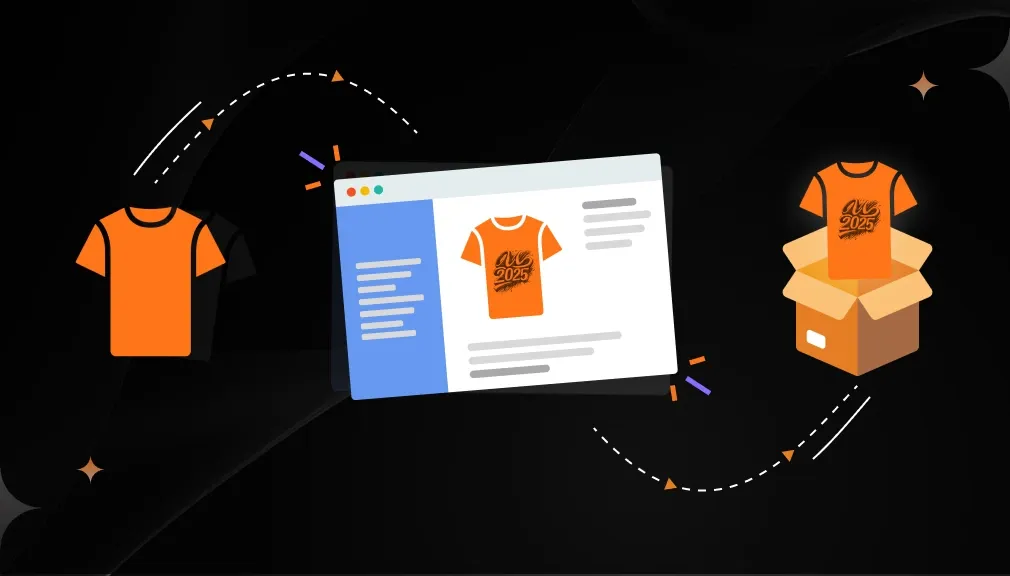
Selling physical or print-on-demand products is a proven route to steady side income, especially if you find a niche customer base. Print-on-demand minimizes inventory risk: you design, a supplier prints and ships, and you keep margins. For hand-made or curated goods, marketplaces make discovery easier.
Initial costs vary: POD can be started for under $100 (domain, store, and design assets), while curated inventory requires capital for stock. Long-term success depends on niche selection, product-market fit, and smart marketing (ads and influencer partnerships). Marketplaces like Etsy remain strong for artisanal products and direct-store platforms give more control.
Consider building a small email list early—repeat buyers are gold for product businesses.
4) Reselling and flipping (thrift flips, electronics, retail arbitrage)

Reselling is part hustle, part treasure hunt. If you enjoy finding undervalued items—clothing, vintage goods, electronics—you can flip them online for tidy margins. The key is product knowledge and pricing discipline.
Start small: visit local thrift stores, estate sales, and clearance racks. Photograph items attractively, write honest descriptions, and test prices on platforms. Many sellers scale to $500–$3,000/month part-time; top flippers make full-time income. Use analytics from listing platforms to spot trends and hot categories.
Good selling channels include marketplaces and local Facebook Marketplace listings—fast turnover is important for cashflow.
5) Gig delivery and driving (food delivery, grocery, courier)

If you want fast payouts and flexible hours, gig driving/delivery remains a reliable pick. Companies continue to hire independent drivers for food, groceries, and last-mile courier work. Pay varies by market, time of day, and tips.
Expect earnings roughly in the $10–$25/hour range pre-expenses in many markets; peak times and efficient route planning increase hourly income. Remember to factor vehicle costs and taxes. Use delivery work to earn steady cash while you build other income streams. Platforms include popular delivery apps and local courier services.
If you prefer lower wear-and-tear, look for bike or electric scooter delivery in dense urban neighborhoods.
6) Virtual assistant & remote admin work
Small businesses and creators need reliable people to handle admin, email, scheduling, and social media tasks. Becoming a virtual assistant (VA) is low-barrier: communication, organization, and honesty are the main skills.
Start by listing services (email triage, calendar management, light bookkeeping) and set hourly or retainer rates. Many VAs charge $15–$50/hour depending on skills. As you gain clients, niche into industries (podcasters, coaches, real estate agents) and raise rates. This is a good steady-income side hustle that scales with retained clients.
Offer a 90-minute onboarding to new clients to demonstrate immediate value and secure recurring work.
7) Content creation & creator monetization (YouTube, podcasts, newsletters)
Creators who build audiences can monetize through ads, sponsorships, affiliate links, memberships, and digital products. Building an audience takes time, but the upside is passive or semi-passive income once content gains traction.
Start with a consistent niche and schedule—short-form social content can accelerate audience growth, but long-form assets (YouTube, podcasts, newsletters) often produce better direct monetization. Successful creators diversify: ad revenue, direct sales, and Patreon/paid communities. Platform rules and revenue splits change, so follow best practices and platform updates.
Be authentic—audiences reward creators who show process and provide useful entertainment or education.
8) Micro-SaaS, templates & digital product sales
If you can solve a repeatable problem with a small web tool, plugin, or template (spreadsheets, Notion templates, website themes), you can sell digital products with very high margins. Micro-SaaS requires development skills but scales beautifully.
Initial work is product creation and a small marketing push (content marketing, product hunt launches, targeted ads). After that, sales are mostly passive and profits rise as users renew or new customers discover you. Prices vary widely, from $10 templates to $50+ monthly for SaaS tools. Validate demand before building—pre-sales or waitlists reduce risk.
Consider marketplaces for templates and integrations with Stripe for payment processing.
9) Social media management & paid ads for local businesses
Many local businesses want to outsource their social presence. If you understand creative ads, content calendars, and local SEO, you can manage accounts and run paid campaigns for a monthly retainer.
Start by offering a limited set of deliverables—e.g., 12 posts/month + ad setup + monthly report—and price by ROI potential. Small restaurants and shops often pay $300–$1,200/month for competent management. Document wins carefully and use case studies to land higher-paying clients.
Reporting results (clicks, bookings, sales) is the clearest way to retain clients.
10) Niche consulting & fractional services
Experienced professionals can sell time as consultants—marketing strategy sessions, accounting help, HR toolkit setup—on an hourly or project basis. The “fractional” model (part-time CMO, CTO, or CFO for startups) pays very well if you have deep expertise.
Consulting requires credibility: case studies, LinkedIn recommendations, and clear pricing. Rates often start at $75–$200+/hour depending on the niche and client size. This is a high-leverage, low-volume side hustle that rewards industry experience.
Start with a one-hour strategy session product that solves a single acute pain point to attract clients.
11) Renting assets (rooms, gear, cars)
The sharing economy lets owners monetize underused assets—rent spare rooms on vacation platforms, list camera gear or tools locally, or offer your car for peer-to-peer rentals. Returns vary by asset and location, but passive income potential is significant.
Airbnb-style hosting can net several hundred to thousands monthly in high-demand markets; equipment rentals depend on niche. Carefully price for seasonality, maintain insurance, and keep bookings simple. Airbnb
This route needs more management but can be semi-passive if you hire cleaning or maintenance help.
12) AI-related services (prompt engineering, AI workflows)
AI tools created a new category of side hustles: helping businesses adopt AI workflows, build prompts that produce consistent results, or integrate automation. These services are in high demand because many companies lack internal skills.
You don’t need to be a machine-learning expert—practical skills (prompt crafting, workflow design, fine-tuning prompts for specific tools) are valuable. Charge consulting fees or productize prompts and templates for common business tasks. This niche is one of the fastest-growing in 2026.
Package short courses or prompt libraries for recurring revenue.
Realistic earnings & what to expect
How much you can earn depends on skill, time, market, and how much you scale. Surveys and platform reports show part-time side hustlers commonly make a few hundred to a few thousand dollars a month; top performers treat their side hustle as a second business and earn far more. Use conservative projections when planning—don’t expect six-figure returns in month one.
If your goal is $500–$1,000/month, choose low-barrier hustles (delivery, tutoring, reselling) and spend the first month validating demand. If you aim for $2,000+/month, focus on scalable online work (freelancing, digital products, consulting) and reinvest early profits into marketing.
Taxes, legal basics, and time management
Treat your side hustle like a small business: track income and expenses, set aside money for taxes (self-employment tax can be ~15.3% plus income tax depending on bracket), and consider simple bookkeeping software. If you’re unsure, consult a tax pro for deductions and estimated tax payments.
Also set boundaries—if you have a full-time job, ensure your side hustle doesn’t violate employment contracts. Use focused time blocks and automation to keep work manageable. Good systems win over heroic hustle.
How to pick the right side hustle for you
- Start with skills you can monetize quickly.
- Estimate startup cost and time to first dollar.
- Validate demand with 3 paying customers or pre-sales before scaling.
- Reinvest early profits to buy time (outsourcing) or marketing.
If you’re unsure, pick one high-impact option (freelancing, consulting) and one quick-win option (reselling, delivery) to diversify risk.
Final thoughts
Side hustles in 2026 mix the old (reselling, local services) with the new (AI workflows, creator monetization). The smartest strategy is to pick something aligned with your strengths, validate quickly, and keep learning—platforms and market conditions shift fast, but solid skills and client relationships are evergreen. Recent industry coverage and platform data confirm that hybrid approaches—combining online scale with local reliability—are the most resilient.






Mahi
Verified content creator on this website.
How to Earn Money from Home USA in 2026: Real, Practical, and Proven Ways That Actually Work
Earn Money from Home USA : If you’ve been searching for ways to earn money from home in…
Read MoreThe Ultimate 2026 Guide to Online Jobs for Students in USA: Real, Flexible Ways to Earn While Studying Full-Time
College life in the United States can be exciting, overwhelming, and expensive all at the same time. Between…
Read More11 Practical Passive Income Ideas USA Without Investment
If you’ve typed “passive income ideas USA without investment” into a search box, you probably want realistic ways…
Read More