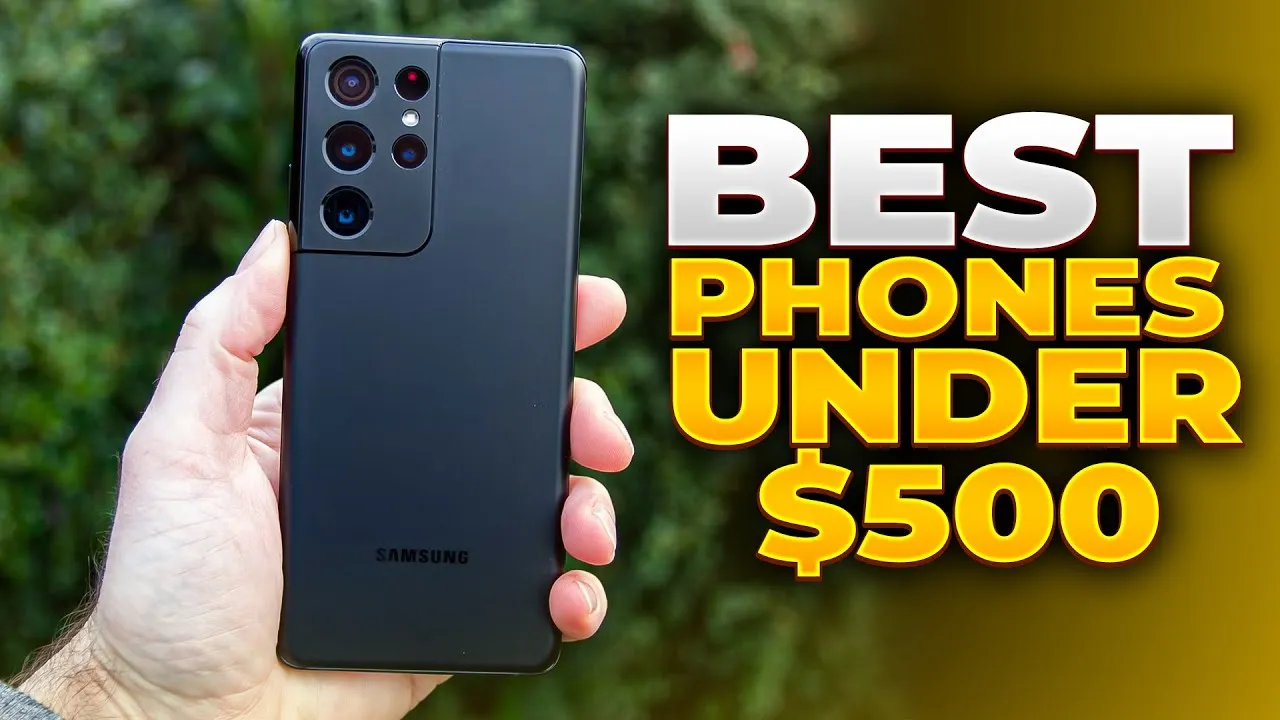
Budget Smartphone Under 500 Dollars USA : If you’re shopping for the best budget smartphone under 500 dollars in the USA right now, you’re in luck: the midrange market in 2026 is healthier than it’s been in years. Brands that used to reserve good cameras, long battery life, and fast displays for expensive flagships are now bringing many of those features down to the $300–$500 bracket. The result is real choice — but also a little confusion about which phone gives you the most value for your money.
This guide walks you through the smartest way to choose a phone under $500, and then profiles the top picks worth attention in early 2026. I’ll explain practical trade-offs (camera vs. battery vs. software updates), where to hunt for the best deals, and how to decide whether new, carrier-offer, or refurbished is the right path for you. Think of this as the friend who’s already done the research and will tell you exactly which models are worth a look.
Everything below is based on recent reviews and market pricing (retailer and review outlets), and I’ve highlighted the most reliable picks and the places to check for deals. I’ll also give a clear recommendation depending on what matters most to you — photography, battery life, long-term software support, or raw performance.
Also Read : 12 Best Side Hustle Ideas USA 2026 — Practical, Up-to-Date Ways to Earn Extra Income
Why $500 is the sweet spot in 2026 (short explanation)
In 2026 the $500 ceiling is powerful because manufacturers now put advanced chips, OLED screens, and decent camera hardware into midrange phones — sometimes with software features borrowed from flagship models. That means you can get things like 120Hz displays, large batteries, and respectable photography systems without paying flagship premiums.
Even more important: brands like Google and Samsung have leaned into long software-update guarantees for certain midrange models, which adds long-term value. If you plan to keep a phone for three or more years, update policy and support matter as much as raw specs. Tom’s Guide and other reviewers now list several models in this price range as “best under $500” because they combine hardware and ongoing support in a believable package.
What to prioritize when buying a phone under $500
1) Software updates and security
Budget hardware is replaceable, but software support isn’t. A phone that receives Android or iOS updates for several years retains security, feature parity, and resale value. Google’s midrange Pixels and certain Samsung A-series models now come with multiple years of guaranteed OS and security updates, making them better long-term investments than cheaper devices that stop receiving patches early. If you plan to keep the device for more than two years, prioritize update promises over a slightly faster processor today.
2) Camera performance (real-world, not megapixels)
At this price, sensor quality and software processing matter more than the number of megapixels. Phones with good computational photography — consistent HDR, low-light behavior, and portrait modes — will serve you better than those that advertise huge resolution but underperform in real images. Google’s Pixel line, historically strong in photo processing, remains a benchmark for balanced smartphone photography in the midrange.
3) Battery life and charging
Expect a day-and-a-half of typical use from phones around $400–$500. Look for devices with 4,500–5,000 mAh batteries and at least 30W wired charging (or competitive wireless options if you prefer). Real battery life depends on screen size and refresh rate — a 120Hz OLED will feel great but draw more power if you don’t have good battery capacity or adaptive refresh. Don’t rely on advertised mAh alone; read battery tests from multiple reviewers.
4) Display and build quality
OLED displays and higher refresh rates are common in this tier now. An OLED with decent brightness and accurate color will make everything from navigation to video streaming noticeably better. Also check for IP water resistance if you’re clumsy with phones — some midrange phones now include IP ratings, which used to be reserved for flagships.
5) Where to buy: unlocked vs. carrier vs. refurbished
New unlocked phones give flexibility, but carrier promotions can drop the effective price significantly if you’re willing to add a line or trade in a device. Refurbished markets (Back Market, Swappa, and certified retail refurbishers) are also strong options for midrange picks — you can get barely-used devices for well below retail without losing much in terms of performance. Back Market price trends show older midrange Pixels and similar phones frequently sell for far below their launch price.
Also Read : How to Create AI Images Using ChatGPT Step by Step for Beginners and Content Creators
Top picks in the USA under $500 (early 2026) — deep dive
Below I explain each recommended phone in clear, practical terms. Each entry covers why it’s worth considering, where it shines, and any realistic compromise to expect.
Google Pixel 9a — Best overall under $500 for most people
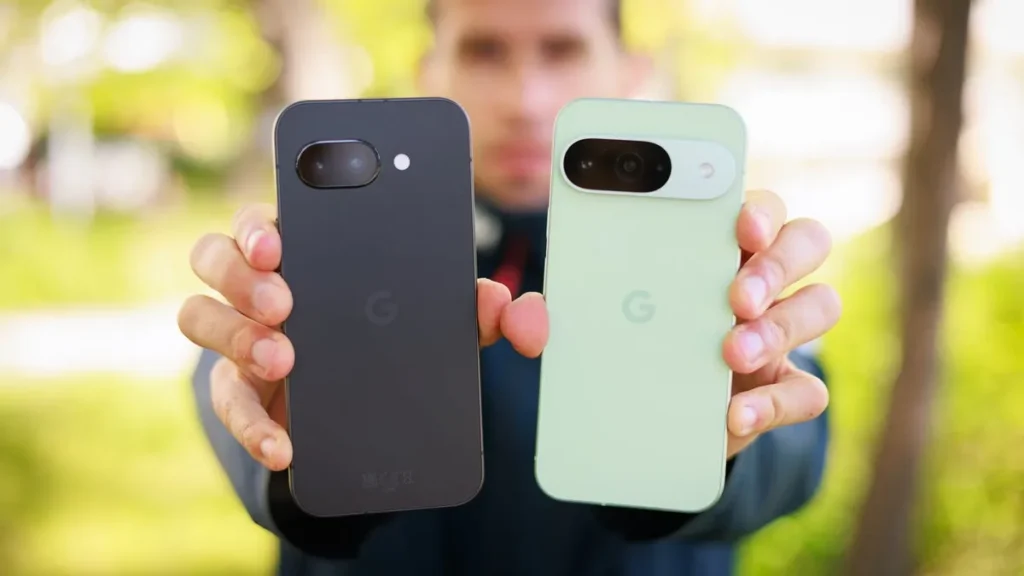
If you want a phone that “just works” and takes reliably great photos without fuss, the Pixel 9a is hard to beat in the under-$500 bracket. Review outlets and buying guides have placed it at the top of midrange lists thanks to Google’s combination of capable hardware, clean Android with useful AI features, and competitive pricing. It’s often cited as the best under-$500 choice because it balances daily performance, camera quality, and software longevity.
Why it stands out: Pixel phones typically offer top-tier computational photography and a clean OS with fewer preinstalled apps. The Pixel 9a brings many of the Pixel family’s photo tricks to a lower price, and Google’s update policy for Pixel devices usually ensures you’ll get several years of OS and security patches.
Compromises: You won’t get the absolute fastest chipset at this price, and raw benchmark numbers may lag behind similarly priced phones that emphasize performance over software. But for everyday use — photos, browsing, streaming, social apps — the experience is smooth and reliable.
Where to buy & pricing note: The Pixel 9a has been regularly featured in retailer promotions and appears across carriers and unlocked channels; pricing is often competitive in the $350–$499 range depending on sales and storage options. Look for carrier trade-in deals or seasonal discounts to push the effective price below $400.
Google Pixel 8a / Pixel 7a (if you find a deal) — Value picks you should consider
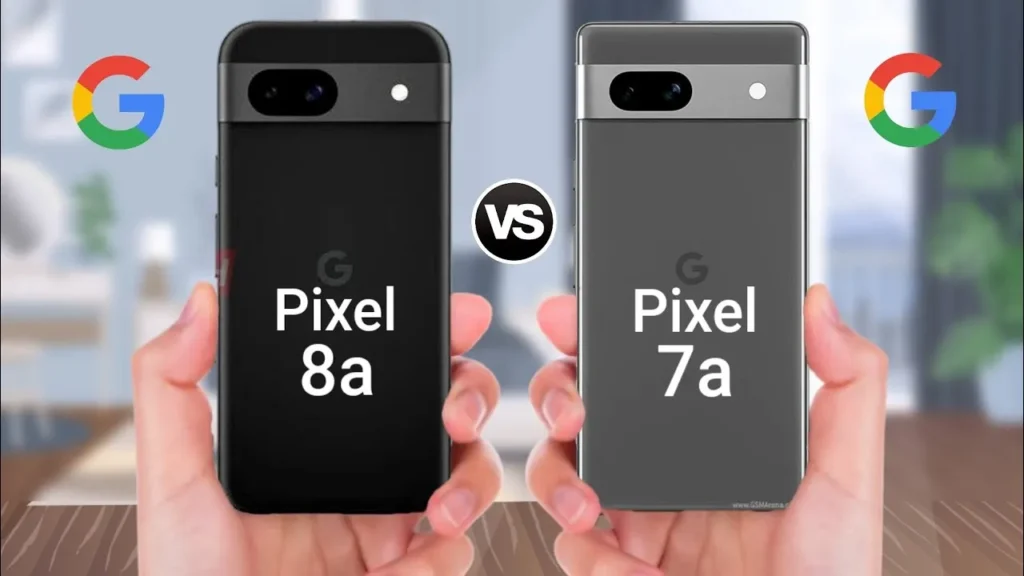
If you find a Pixel 8a or a well-priced Pixel 7a, these older models remain excellent choices. They sometimes fall below $500 in new or refurbished condition, and they keep the core Pixel strengths: strong cameras and extended update support. Back Market and other certified-refurb channels show attractive pricing for these models, making them a smart option for value-focused buyers.
Why they’re good: The 7a and 8a often include the same family’s photo processing and reliable software but at discount pricing as newer models arrive. If photography and day-to-day smoothness matter more than having the absolute newest chipset, these represent great value.
Compromises: Older Pixels may have less battery life relative to newer models or fewer software years remaining than a freshly released device. Still, if you buy refurbished, many sellers include warranty coverage.
Samsung Galaxy A55 / A56 — Best for display quality and ecosystem buyers
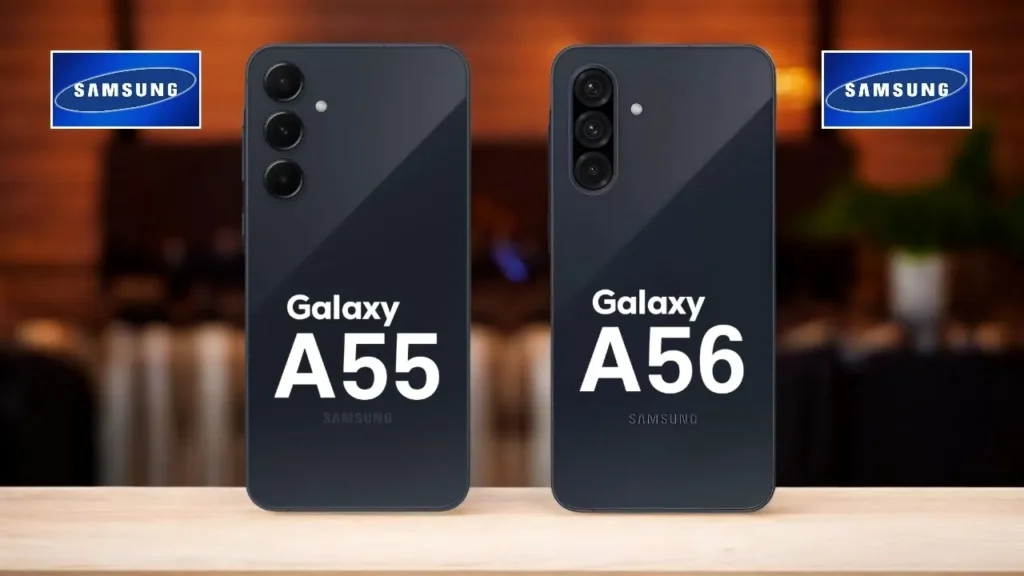
Samsung’s A-series has matured into a legitimate competitor in the midrange. The Galaxy A55 (and where available, A56) offers a large OLED display with a high refresh rate, solid battery life, and the Samsung One UI experience — and often at prices well below top-tier flagships. The A55 models can undercut many rivals on screen quality and media consumption value, and Samsung’s update promises for several years on midrange A-series phones have improved their long-term appeal.
Why it’s strong: If you watch a lot of video, browse social media, and want a bright, punchy panel, Samsung’s A-series gives you a near-flagship display without the flagship price. The cameras are competent, and Samsung’s ecosystem (Wearables, SmartThings) is a plus if you already own Samsung devices.
Compromises: Software experience and photo consistency are better in Pixel phones for some users; Samsung’s camera processing favors punchy output but sometimes oversaturates. Also watch for model variants (RAM/storage) and carrier-locked versions that may affect price.
Apple iPhone SE (3rd generation) — Best compact iPhone under $500 (if you prefer iOS)
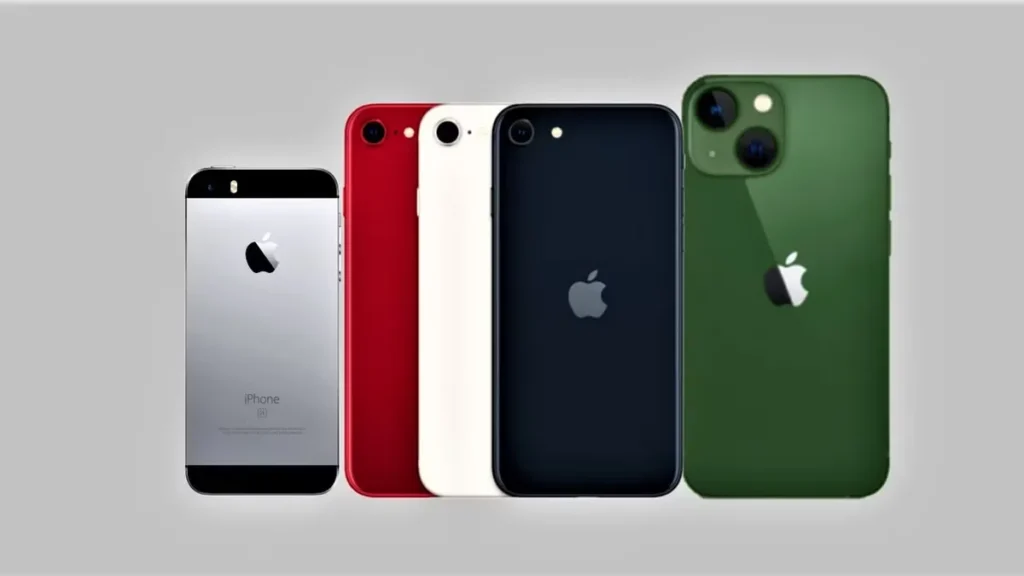
If you’re in the Apple ecosystem and want an iPhone under $500, the iPhone SE (3rd gen) is typically the go-to choice. It offers Apple’s A-series performance in a compact body and benefits from iOS updates for many years — which often outpaces many Android phones on long-term support. For fans of Touch ID and small phones, it remains an attractive pick. The SE launched at around $429 and continues to appear at or under the $500 mark depending on sales and storage.
Why it’s useful: The SE has Apple’s strong chipset and years of support; if you value longevity, app compatibility, and consistent OS updates, an SE is a smart buy in the iPhone world.
Compromises: The small 4.7-inch display and single camera make obvious trade-offs compared to modern midrange Android phones. If a large screen or advanced camera features matter more, consider an Android alternative.
Other worthy mentions: Nothing Phone 3a, OnePlus, Motorola (value models)
A few other brands offer compelling midrange models depending on the market and deals: Nothing’s 3a (where available) for its unique design and clean software, certain OnePlus Nord and Motorola edge series phones for speed and battery value. However, availability and pricing in the USA can vary, so check local retailers and reviews for the most current models and prices.
If you prefer a distinct look or specific performance characteristics, these are worth exploring. (Note: model names and prices can shift with new releases; always double-check current listings.)
Real-world comparison: camera, battery, performance, and updates
Camera (how each phone behaves day-to-day)
- Pixel models: tend to produce consistently pleasing photos using computational tricks — better dynamic range and night shots without fiddling. This is where Pixels typically earn their reputation.
- Samsung A-series: more saturated, vivid images — great for social media-ready photos but sometimes less natural.
- iPhone SE: solid single-lens performance and consistent color science, but lacks multi-lens versatility of modern midrange phones.
In practice, if you value point-and-shoot reliability and low-light performance, Pixel wins. If you prefer punchy display-optimized images straight out of the camera app, Samsung is great. The iPhone SE is steady for everyday shots and will age well with software over time.
Battery and charging
Large batteries in today’s midrange phones yield all-day usage and often comfortable second-day stamina with moderate use. Pixels and Galaxy A-series phones in 2025–2026 commonly include 4,500–5,000 mAh cells in their standard configurations, giving you the freedom to use high-refresh displays without panicking about midday charging.
However, charging speeds vary by model: some midrange devices still cap wired charging at moderate speeds, while others push faster charging.
Performance (everyday apps vs. gaming)
At under $500 you’ll get capable chips for daily use (social media, email, streaming, navigation). Heavy gaming at high settings is where you’ll notice differences: phones that emphasize raw performance (sometimes OnePlus or certain “Pro” midrange models) will handle sustained gaming better than a baseline midrange Pixel or Samsung A device.
For most users, a midrange SoC is comfortable — it’s when you push the phone with prolonged gaming or heavy multi-app workloads that chipset choices show.
Software updates
This is the hidden value metric. Google and Samsung have both published multi-year update policies for select midrange phones, and Apple’s iPhones typically get long-term updates.
Phones that promise 3–7 years of OS/security updates reduce the likelihood of needing a replacement quickly and enhance resale value. That’s why update policy is a primary selection factor in this price bracket.
Where to get the best deals in the USA (practical tips)
- Carrier promotions: Carriers frequently run offers that effectively reduce the price to much less than $500 if you add a line or trade in an eligible device. These are especially common during product launches and holiday windows — Tom’s Guide lists current carrier deals and seasonal bundles frequently. If you’re open to switching carriers or adding a line, these can be the cheapest path to a midrange Pixel or Samsung.
- Retailer discounts and bundles: Best Buy, Amazon, and manufacturer stores often have direct discounts or bundled accessories. Check price trackers and wait for major sale events (Prime Day, Black Friday, Memorial Day weekend, and government holiday sales).
- Refurbished and certified pre-owned: Back Market, Swappa, and certified manufacturer refurb programs offer like-new devices for significantly less. If you’re comfortable buying refurbished, you can often get a near-flagship Pixel or Samsung A model for well under $500. Always check warranty and return policies.
- Open-box and outlet sections: Brick-and-mortar chains sometimes have open-box stock with minor packaging issues. These are worth checking if you want a new-looking phone with a discount.
Should you buy new or refurbished?
If you want the peace-of-mind of a full manufacturer warranty and maximum longevity, buy new. If you’re comfortable with a short warranty or certified refurb guarantee, buying refurbished is a great way to get better camera systems or larger storage at lower cost. Refurbished options are especially attractive for Pixels and slightly older flagships that retain excellent cameras and software support.
Conclusion
Choosing the best budget smartphone under 500 dollars in the USA in 2026 is about understanding your priorities. There is no single perfect phone for everyone, but there is a perfect phone for your specific needs.
Some users value photography, others care more about battery life, and some want long-term software support. The good news is that this price range now offers excellent options for all these preferences.





Mahi
Verified content creator on this website.